Rising UK Festival Ticket Prices
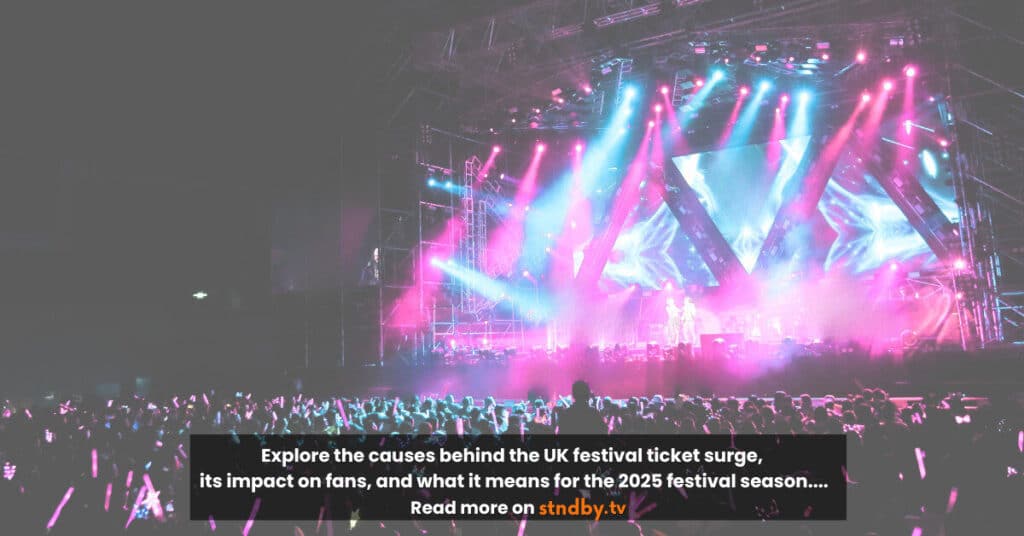
The UK festival ticket surge is one of the biggest stories shaking live music in 2025. Fans nationwide are facing sharp increases in ticket prices for major events such as Glastonbury, Reading & Leeds, Boomtown Fair, and Wireless Festival. These price hikes have sparked ongoing debates about affordability and access to festivals that have long been cultural cornerstones of the UK summer.
Festival organisers attribute this surge mainly to inflation, rising production costs, and soaring artist fees. The costs of staging large-scale events have increased dramatically, with logistics, security, and staffing expenses climbing amid ongoing supply chain disruptions and economic pressures. For many fans, the challenge now is balancing the desire to attend iconic festivals with tightening personal budgets.
This article explores the causes behind the UK festival ticket surge, its impact on festival-goers, and how industry insiders are responding.
Economic Drivers Behind the Ticket Surge
The UK inflation rate peaked above 10% in 2022, heavily impacting event costs nationwide. According to the Office for National Statistics, inflation has affected everything from fuel to catering to equipment rental, hitting festivals especially hard (ONS Inflation Report). These events depend on complex supply chains for stages, sound systems, fencing, and other infrastructure — all of which have become pricier and less predictable to source.
Artist fees have also ballooned as live music returns in full force after the pandemic shutdowns. Music Business Worldwide reports that headline acts now command guarantees 20–30% higher than before 2020, driven by fierce competition and rising production values (Music Business Worldwide). This puts additional pressure on promoters to raise ticket prices to cover costs.
Fan Reactions to the UK Festival Ticket Surge
The surge in ticket prices is a real challenge for fans. On social media, many express frustration and concern over affordability, especially younger festival-goers trying to save for multiple events in a single summer. This trend threatens to undermine the traditionally inclusive nature of UK festivals, which have long been celebrated as diverse cultural gatherings.
Secondary ticket markets complicate matters further. Resale platforms often list tickets at inflated prices, pricing out many loyal fans. In response, some attendees are shifting their focus toward smaller grassroots festivals and local events, which typically offer more affordable entry. This shift could reshape the UK festival ecosystem by influencing attendance demographics and artist line-ups.
Organisers’ Responses to Ticket Surges
Festival organisers acknowledge the challenge posed by the UK festival ticket surge and are actively seeking ways to balance rising costs with fan accessibility. Many have adopted tiered ticket pricing systems offering options from budget to VIP packages. Payment plans and early bird sales are also widely used to help fans spread out the cost.
To justify higher ticket prices, festivals invest in enhancing the overall experience — adding more stages, upgrading facilities, and creating exclusive artist interactions. Sponsorships and partnerships provide alternative revenue streams, helping to ease pressure on ticket prices. Boomtown Fair, for example, expanded its site and immersive offerings for 2024 while maintaining moderate price increases.
Industry experts predict that ticket price growth may slow as supply chain issues improve and inflation stabilises, but artist fee inflation and elevated safety requirements are likely to keep prices relatively high in the short to medium term.
Future Outlook for UK Festival Culture
The UK festival ticket surge marks a pivotal moment for one of the world’s most vibrant live music cultures. Festivals have traditionally united diverse communities and fostered creative expression. Rising prices risk excluding some fans, but also encourage new innovations.
A growing number of grassroots and DIY festivals are emerging to fill the gap, often prioritising community spirit and affordable access. Advances in digital ticketing platforms are improving transparency and fairness in ticket sales. Meanwhile, organisers are increasingly investing in sustainability, fan engagement, and cultural programming to add value beyond just the music.
The coming years will test the resilience of the UK festival scene. Success depends on balancing commercial viability with preserving accessibility and the inclusive spirit that defines UK festivals.
Final words on UK Festival Ticket Surge
The UK festival ticket surge is more than a market trend — it reflects deeper economic shifts and evolving festival realities. Fans, artists, and organisers all face challenges in navigating this new terrain. Keeping UK festival culture vibrant and inclusive demands creativity, fairness, and a strong community focus. The 2025 festival season will reveal how well the industry can innovate while staying true to the fans who keep it alive.
Frequently Asked Questions
Why are UK festival ticket prices surging?
Inflation, rising production and staffing costs, higher artist fees, and stricter health and safety regulations are the main factors.
Are all UK festivals raising ticket prices?
Most major festivals have increased prices, but many smaller grassroots events continue offering affordable options.
How can fans find cheaper festival tickets?
Look for early bird sales, payment plans, and consider attending smaller local festivals for budget-friendly access.
Will festival ticket prices keep rising?
Prices may stabilise as supply chains improve, but inflation and artist demands suggest prices will remain high short-term.
What impact does the surge have on festival culture?
The surge risks limiting access for some fans but also promotes innovation and new festival models.
More about UK Festival Ticket Surge
- For detailed inflation data affecting live events, see the UK’s Office for National Statistics inflation report.
- Insights on rising artist fees and festival economics can be found at Music Business Worldwide’s coverage of festival fee trends.